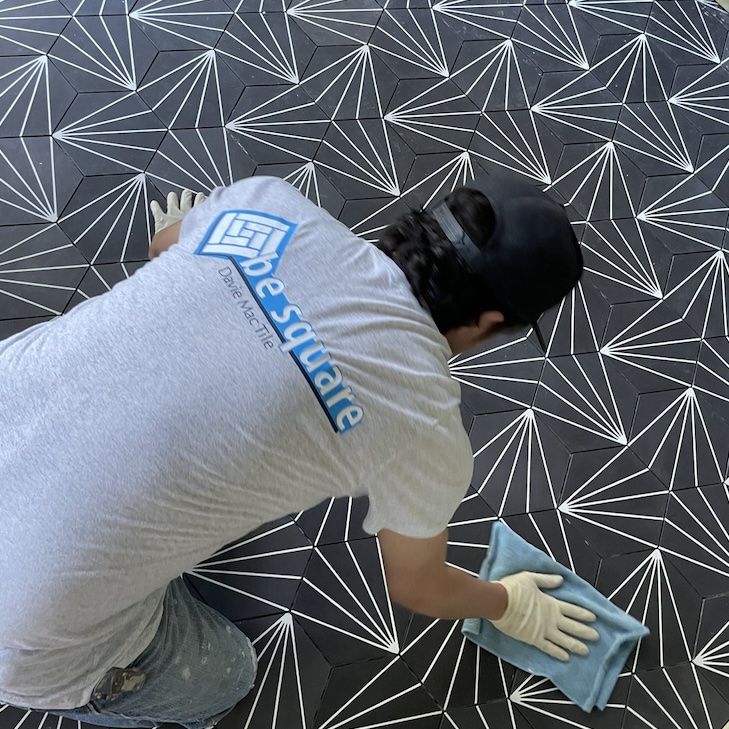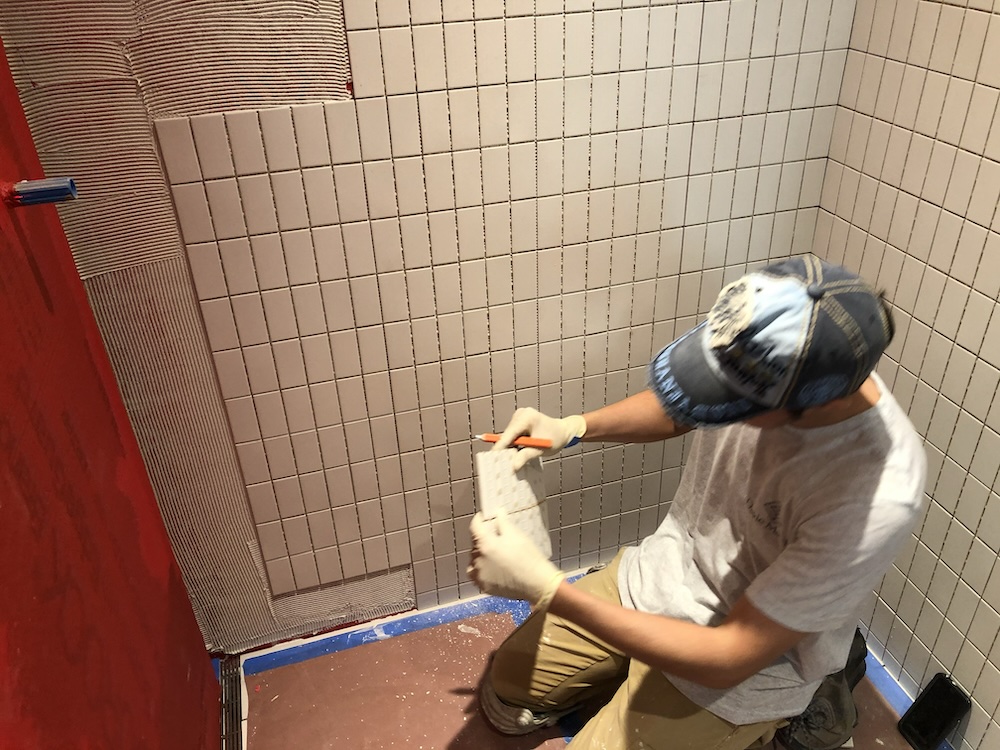
Introduction to Tile Installation Training
Are you thinking about becoming a tile installer? It’s a smart choice because tile installation is a skill that’s always in demand. Whether you’re working on small projects like a bathroom or big commercial jobs, learning how to install tiles correctly is super important. No matter if you’re laying down tiles for kitchen backsplashes, bathroom floors, or even big commercial areas, the key to success is mastering the right skills.
This guide will break down everything you need to know, from starting out as an apprentice to getting certified. We’ll also cover the tools and techniques you’ll need, plus talk about advanced training, like using products from brands like Laticrete, Schluter, and Wedi, and why prepping walls with waterproofing is a must.
What Does a Tile Installer Do?
Let’s start with the basics. A tile installer works with different types of materials like ceramic, porcelain, and natural stone. The job is all about precision and creativity because you need to cut the tiles, fit them into place, and make sure they stay secure for years.
Daily Tasks of a Tile Installer
Here’s a look at what you’ll be doing each day:
- Surface Prep: You have to make sure the surface you’re tiling is clean, smooth, and level. Sometimes, you might need to add an extra layer, like cement board, to ensure the surface is strong enough to hold tiles.
- Cutting and Shaping Tiles: Not all tiles fit perfectly in every space. You’ll need to cut tiles to size, especially around corners and tight spots, using manual cutters or wet saws.
- Laying the Tiles: Once everything is prepped, you lay the tiles down using adhesive. Spacers help keep the tiles even and aligned.
- Grouting and Sealing: After laying the tiles, you fill the gaps with grout and apply sealant to protect the tiles from moisture and stains.
Tile installation involves being precise, creative, and detail-oriented. You’ll be working on different projects, from small kitchens to large commercial spaces. Curious about what else a tile installer does? Head over to our Tile Setter: Job Responsibilities, Skills, and Tools page for more details.

Getting Started: Tile Setter Apprenticeship
When you’re new to tile installation, the best way to learn is through an apprenticeship. An apprenticeship is all about getting hands-on experience while working with a professional tile setter. You’ll be learning on the job while also picking up some classroom knowledge along the way.
What Is a Tile Setter Apprenticeship?
A tile setter apprenticeship usually lasts 3 to 4 years. During that time, you’ll work on real job sites, learn the ropes from experienced tile setters, and build your skills. You’ll start with basic tasks, like surface prep and cutting tiles, but as you gain experience, you’ll move on to more advanced jobs, like creating tile designs and installing in wet areas.
What to expect in an apprenticeship:
- On-the-Job Learning: You’ll spend most of your time working on real projects, learning everything from cutting tiles to using the right materials for each job.
- Mentorship: You’ll work with a mentor who has been in the business for a while. They’ll show you what to do and help you improve your techniques.
- Learning the Basics: You’ll learn how to prepare surfaces, how to properly space tiles, and how to grout and seal everything.
How to Stand Out as an Apprentice
To make the most of your apprenticeship, here are some tips to help you shine:
- Be On Time: Punctuality matters. Showing up on time shows your mentor that you’re serious about the job.
- Ask Questions: Don’t be afraid to ask your mentor questions. They’re there to help you, and learning from their experience is the best way to improve.
- Practice Makes Perfect: The more you practice, the better you’ll get. Work on mastering your tile-cutting skills and make sure your lines are straight and even.
For more tips on how to succeed as an apprentice, check out our Tile Setter Apprenticeship and Why It Is a Great Idea page.

Becoming a Certified Tile Installer
After completing your apprenticeship, it’s a good idea to take the next step and become a certified tile installer. Certification proves that you know your stuff and can handle any tile job that comes your way. It’s a great way to stand out from the competition and show potential clients or employers that you’ve mastered the skills needed to do the job right.
What Is a Certified Tile Installer?
A Certified Tile Installer (CTI) is someone who has passed a certification exam that tests both their theoretical knowledge and hands-on skills. These exams are offered by groups like the Ceramic Tile Education Foundation (CTEF) or the National Tile Contractors Association (NTCA). Certification shows that you know how to follow industry standards and can handle a wide variety of tile installations.
Why Should You Get Certified?
Here’s why getting certified is a smart move:
- Credibility: Certification proves to clients and employers that you’re serious about your work and have the skills to back it up.
- Better Pay: Certified tile installers often make more money because their skills are recognized as top-notch.
- More Job Opportunities: Certification opens up doors to more jobs. Many contractors or homeowners prefer hiring certified installers because they know the job will be done right.
Interested in learning more about how to become certified? Visit our Becoming a Certified Tile Installer: The Definitive Guide page for all the details.

Training on Product-Specific Systems: Laticrete, Schluter, Wedi, and More
When you’re working as a professional tile installer, it’s not just about laying tile. You also need to know how to work with different product systems from big brands like Laticrete, Schluter, and Wedi. These companies offer workshops that teach installers how to use their products correctly, and becoming familiar with these systems can help you deliver even better results for your clients.
Why You Should Learn About These Systems
Here’s why it’s important to know how to use specific product systems:
- Laticrete: This brand is known for its adhesives, waterproofing products, and grout. Attending a Laticrete Workshop will teach you how to use their systems to ensure that tiles are securely bonded and water-resistant. Learning how to use Laticrete’s Hydro Ban® system, for example, can help you create a fully waterproof installation.
- Schluter: The Schluter®-KERDI system is widely used for waterproofing in showers and other wet areas. Knowing how to install Schluter products can prevent water damage and make your installations last longer.
- Wedi: Wedi products, like their waterproof building panels, are used in areas that need to be completely waterproof, like bathrooms. Learning their installation methods can help you create durable and watertight installations.

Benefits of Attending Product Workshops
Here’s why attending workshops from these brands can help you in your career:
- Hands-On Training: You get to work directly with the products and see how they work in real-life situations.
- Staying Up-to-Date: The tile industry is always evolving, and new products and techniques come out regularly. Workshops keep you current.
- Certification: Many workshops offer certifications that show you’re trained in using specific products, which can boost your credibility with clients.
Waterproofing and Wall Prep: Why It’s So Important
One of the most important parts of tile installation, especially in places like bathrooms or kitchens, is waterproofing. Without proper waterproofing, water can seep behind the tiles, causing mold, mildew, and serious water damage. Prepping walls with waterproofing products is a must for any tile installer.
How to Prep Walls for Tile Installation
Before you start tiling, especially in wet areas like showers or backsplashes, you need to make sure the walls are prepped with waterproofing materials. Here are some common methods:
- Waterproof Membranes: These are sheets that go on the walls before the tile. Schluter®-KERDI is one of the most popular waterproofing membranes. It’s applied directly to the surface and makes sure water doesn’t get through.
- Cement Backer Boards: Some installers use backer boards, like Durock which are made of Portland cement and reinforced and fiberglass mesh which must be applied waterproofing material after installed or those from Wedi, which are strong and water-resistant already. They create a solid, waterproof base for the tiles.
- Liquid-Applied Waterproofing: Another method is painting on a waterproof membrane. For example, Laticrete’s Hydro Ban® is a liquid-applied waterproofing that forms a strong barrier when it dries.
By prepping the walls with the right waterproofing materials, you’ll ensure that the installation lasts and won’t suffer from water damage.
Tools and Techniques You’ll Learn in Tile Installation Training
As part of your training, you’ll learn how to use all the essential tools needed for a successful tile installation. From trowels to tile cutters, each tool serves a different purpose. Using these tools properly can make all the difference between a professional job and one that doesn’t hold up over time.
Essential Tools for Tile Installation
Here’s a quick look at some of the key tools you’ll use:
- Trowels: These are used to spread adhesive on the surface before laying tiles. Depending on the size of the tile, you’ll use different-sized notches on the trowel to make sure the adhesive spreads evenly.
- Tile Cutters: You’ll need to cut tiles to fit into corners or around obstacles. Manual tile cutters work for smaller tiles, while wet saws are better for larger, more precise cuts.
- Levels and Spacers: These tools ensure that your tiles are evenly aligned and spaced out. A level helps you check that everything is straight, while spacers keep the grout lines uniform.
- Grout Floats: After laying the tiles, grout floats help apply grout into the joints between tiles, ensuring a clean and polished finish.
Core Tile Installation Techniques
Here are some key techniques you’ll master during your training:
- Surface Preparation: A well-prepped surface is crucial for long-lasting tile installations. This step involves making sure the surface is clean, smooth, and level. If the surface isn’t properly prepared, the tiles won’t adhere correctly.
- Tile Layout: Planning the tile layout before you start is key to getting everything to fit properly. You’ll learn how to plan where cuts will need to go and how to center tiles in a way that looks professional.
- Tile Cutting: Cutting tiles is one of the most important skills in tile installation. You’ll learn how to make clean cuts using manual tile cutters and wet saws, ensuring that tiles fit perfectly around corners and fixtures.
- Grouting and Sealing: After the tiles are installed, grouting fills the spaces between them. Sealing is the last step, protecting your work from moisture and stains. You’ll learn how to apply grout smoothly and seal the tiles for a finished look.
Continuing Education: Staying Current in the Tile Industry
Even after you’ve completed your initial tile installation training and gotten certified, there’s always more to learn. The tile industry is constantly evolving, with new products, techniques, and materials coming out all the time. Staying updated on the latest trends and tools helps keep your skills sharp and ensures that you continue to deliver top-quality work.
Workshops and Certifications
Many companies and organizations, like Laticrete, Schluter, and Wedi, offer continuing education workshops that focus on specific products or advanced techniques. Here’s how these can benefit you:
- Hands-On Experience: Workshops give you the chance to work with the latest products and learn best practices for installation.
- Boost Credibility: Getting certified in new systems or products can make you stand out to potential clients and employers.
- Networking: Attending industry events and workshops is also a great way to meet other tile installers, share tips, and even find new job opportunities.
Wrapping It Up: The Benefits of Tile Installation Training
Tile installation training is the foundation of a successful and rewarding career. Whether you’re just starting out or looking to improve your skills, training gives you the knowledge and experience you need to deliver high-quality work. From learning the basics in an apprenticeship to mastering advanced techniques like waterproofing and specialized systems from brands like Laticrete, Schluter, and Wedi, the skills you gain will set you apart in this in-demand field.
By becoming a certified tile installer and keeping up with the latest industry trends, you’ll have a wide range of opportunities to grow your career, earn more money, and take on more complex and rewarding projects.
Ready to start your journey in tile installation? Check out our ProTileInstaller.com Blog page to learn more about available programs and workshops that can kickstart your career today.