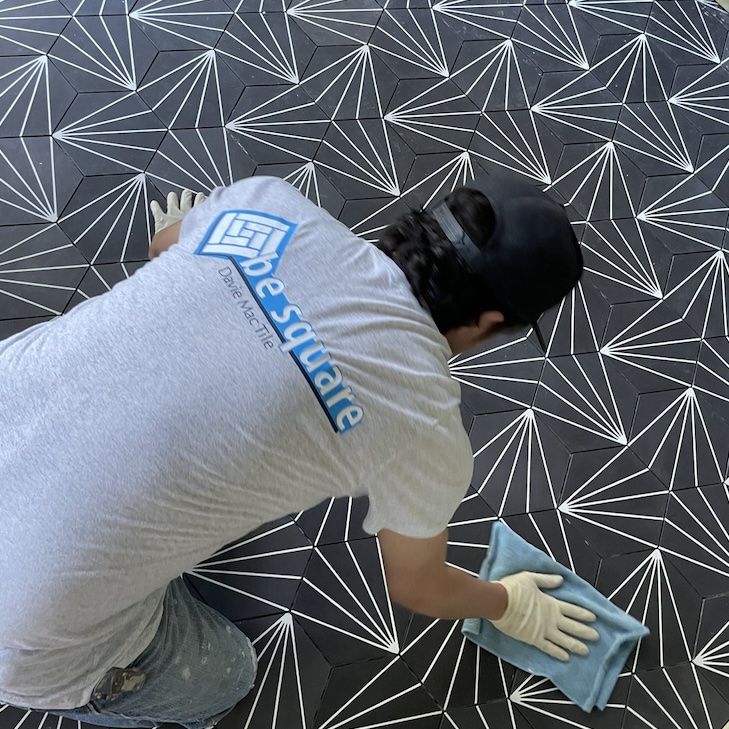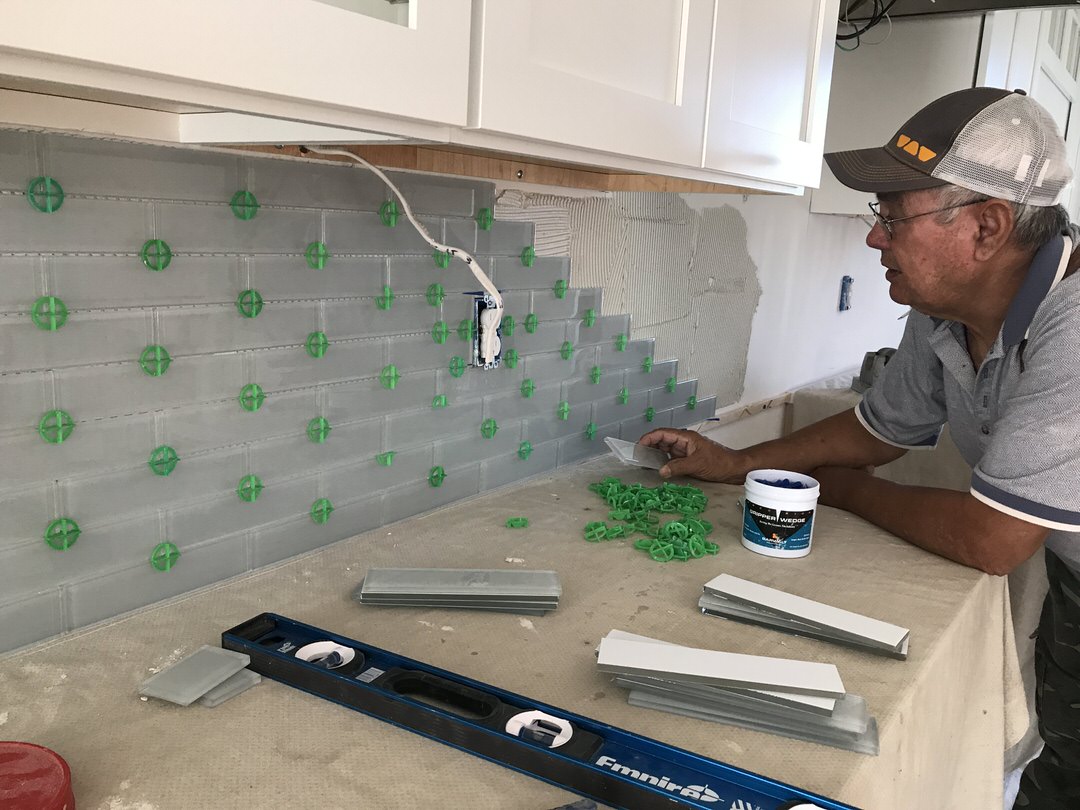
A tile setter, also called a tile installer, installs tiles on floors, walls, and other surfaces. Their job combines creativity and precision to ensure that tiles are placed properly and securely. Tile setters work with various materials like ceramic, porcelain, stone, and glass.
What Does a Tile Setter Do?
A tile setter’s job is more than just placing tiles. They prepare surfaces, cut tiles to fit, and install them in an orderly pattern. Here’s a breakdown of the job:
Main Responsibilities
- Surface Preparation: Clean, smooth, and level the surface. Sometimes, backer boards or waterproofing are required.
- Tile Layout: Measure the area, plan the pattern, and mark guidelines.
- Cutting and Shaping Tiles: Use manual cutters, wet saws, or grinders to adjust tiles to fit around edges, fixtures, or obstacles.
- Laying Tiles: Apply adhesive and set the tiles according to the layout, making sure they are level and spaced correctly.
- Grouting and Sealing: Fill the spaces between tiles with grout, and apply a sealant to protect the tiles.
Work Environment
Tile setters work in different settings:
- Residential: Homes, bathrooms, kitchens.
- Commercial: Large buildings, office spaces, hotels.
- Indoor and Outdoor: Patios, walkways, and pool areas.
The job is physically demanding. It involves standing, bending, kneeling, and working with heavy materials.

Essential Skills
Technical Skills
- Measuring: You need to measure and calculate the number of tiles required.
- Cutting and Shaping: Knowing how to use tile cutters and wet saws is essential.
- Grouting: Applying grout properly to avoid gaps or mess.
- Adhesive Knowledge: Different surfaces and tiles need different adhesives.
Attention to Detail
- Tile Placement: Ensuring tiles are straight and evenly spaced.
- Pattern Alignment: Some jobs need complex patterns or designs.
- Problem Solving: Every job is unique, and challenges like uneven surfaces require quick thinking.
Physical Skills
- Stamina: Long hours on your feet, kneeling, or bending.
- Strength: Handling heavy materials like stone tiles.
- Coordination: Cutting and placing tiles precisely.

Tools Used
Tile setters use a range of tools, such as:
- Trowels: For spreading adhesive.
- Tile Cutters: Manual or powered for cutting tiles to size.
- Grout Floats: Used to apply grout between tiles.
- Wet Saws: For making clean, precise cuts.
Training and Education
Most tile setters start through apprenticeships, which last 3 to 4 years. Apprenticeships combine on-the-job training with classroom learning. During training, you’ll learn everything from surface preparation to advanced cutting techniques. Many tile setters also take workshops from brands like Laticrete, Schluter, and Wedi to learn specific product systems.
Certification through the Ceramic Tile Education Foundation (CTEF) or similar organizations can set you apart from other tile setters. Certification proves you know how to follow industry standards.
For a detailed breakdown of the training process, including apprenticeships and certification, visit our Tile Installation Training guide.
Salary and Job Outlook
Tile setters can expect to earn between $40,000 and $60,000 per year, depending on location and experience. Certified and experienced tile setters can earn more, especially on larger or specialized projects. The demand for tile setters is expected to remain steady, as both residential and commercial construction continues to grow.
Is Tile Setting Right for You?
If you like hands-on work and have an eye for detail, tile setting could be a great fit. It’s a rewarding career where you can see the results of your hard work. Plus, there’s always room to grow and improve your skills with certifications and advanced training.